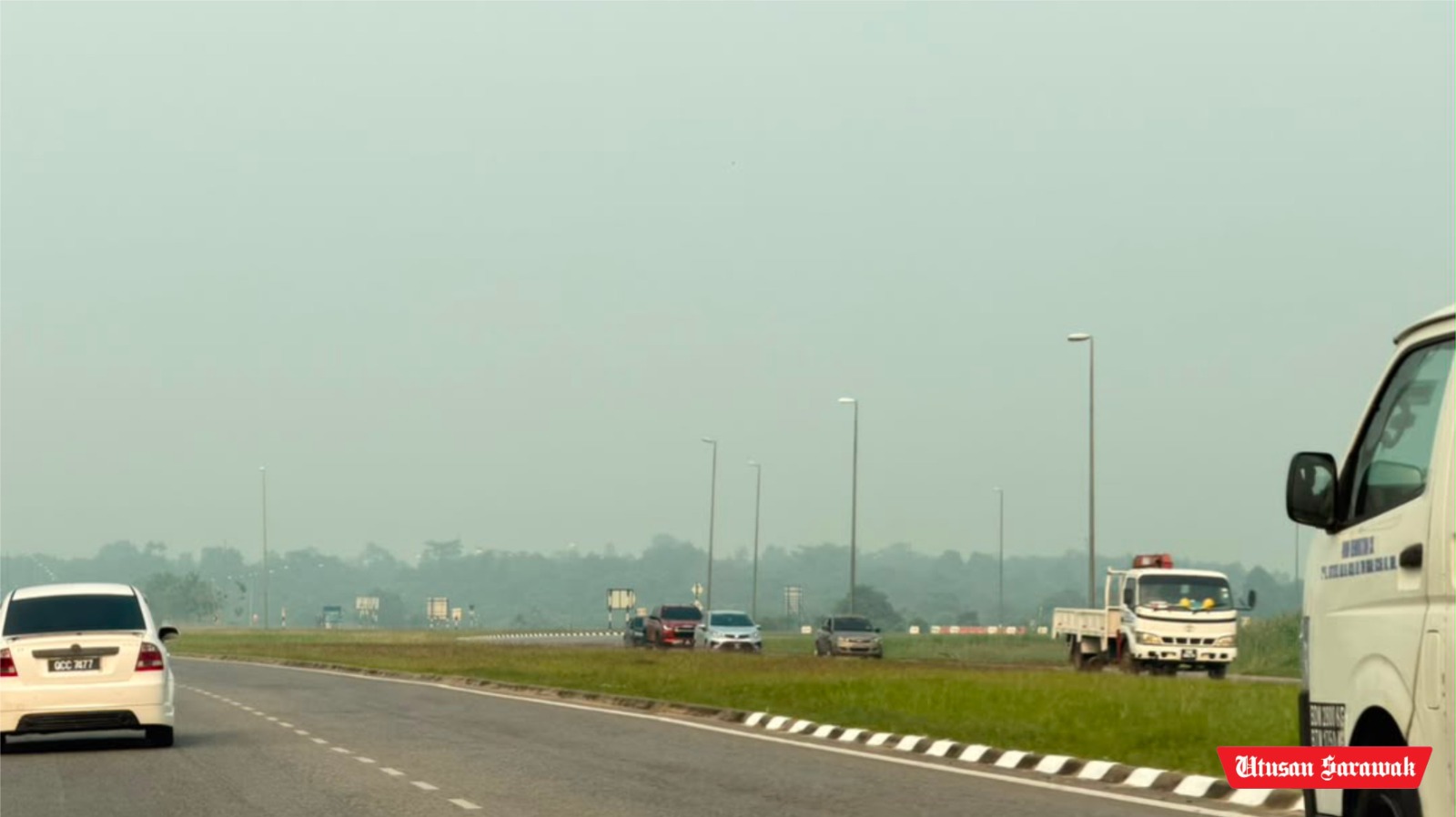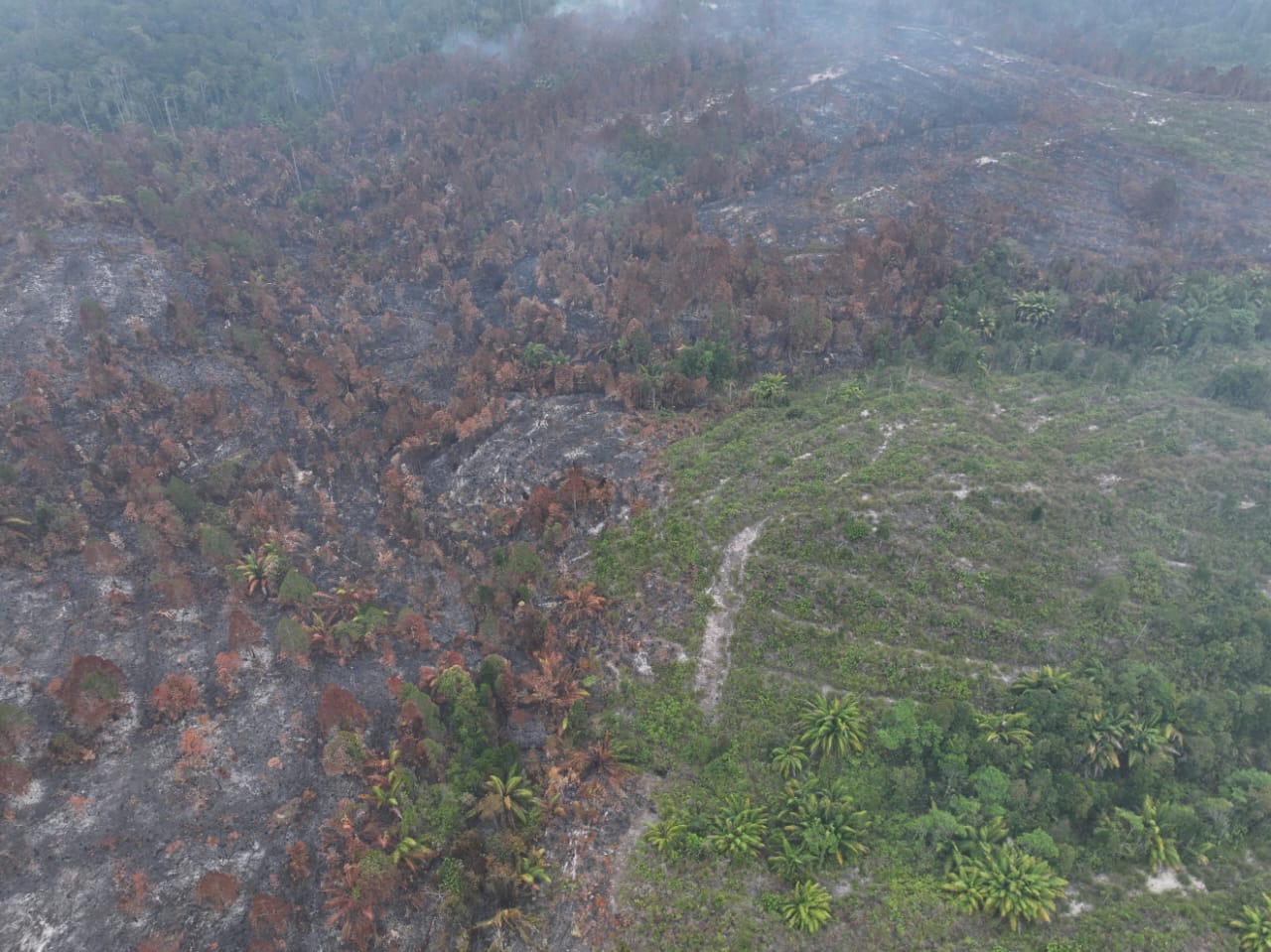
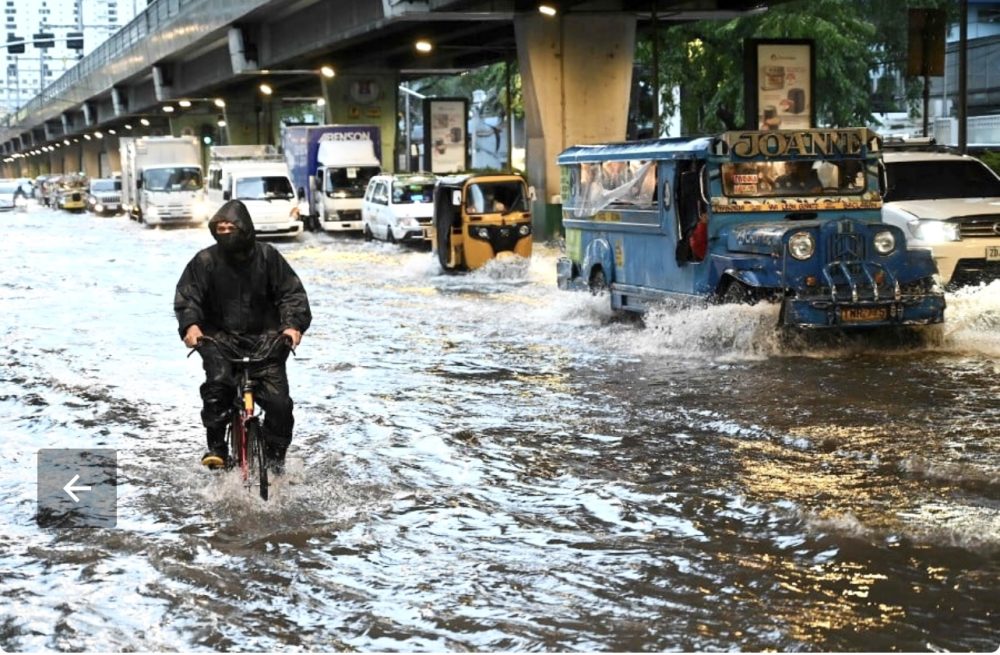
THE recent spate of extreme weather disruptions affecting the region—marked by severe flooding in Vietnam, southern Thailand, Sumatra and Malaysia—serves as a stark reminder that Southeast Asia is among the regions most exposed, vulnerable and at high risk from the impacts of extreme weather.
In reality, neighbouring countries such as the Philippines and Vietnam have long been ranked among the most climate-vulnerable and high-risk countries in the world.
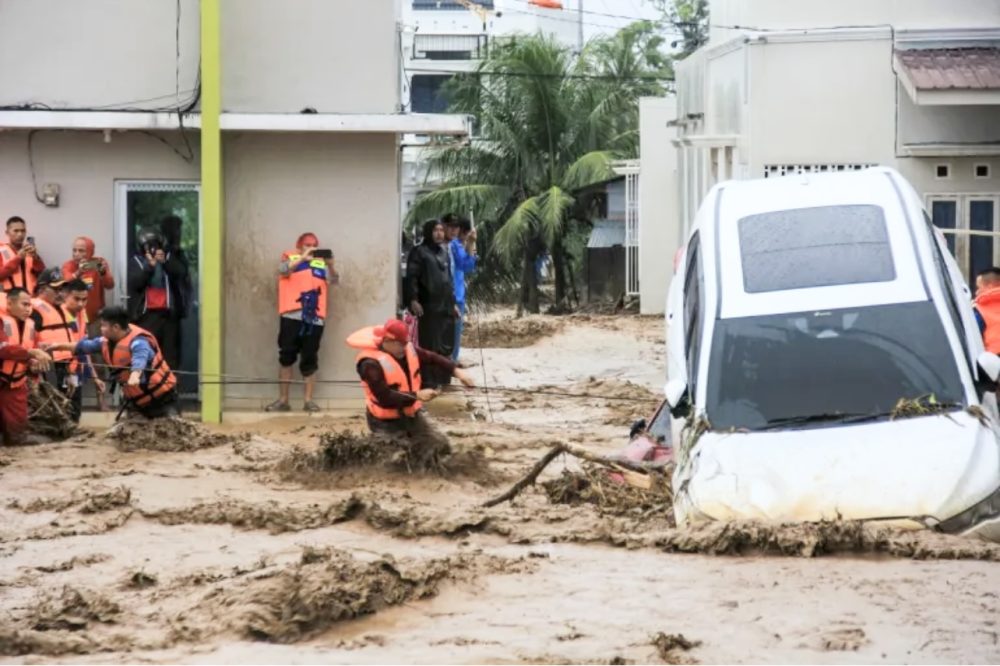
However, perspectives are now shifting as a result of these recent weather disruptions. We must acknowledge that other countries which have not traditionally been exposed to the threat of tropical cyclones are now beginning to face similar risks.
Sumatra, which is more commonly associated with the hazards of earth quakes and tsunamis, must now add another threat to its list of natural disasters—tropical cyclones—which recently triggered devastating floods and claimed more than 1,200 lives, including those still missing.
In an earlier article, I wrote that a combination of climate phenomena contributed to this disruption. Cold surge episodes, La Niña, and the negative phase of the Indian Ocean Dipole (IOD) occurred simultaneously, compounded by global warming, which has steadily increased sea surface temperatures and ocean heat content.
While such phenomena in the past did not necessarily lead to severe extreme weather, rising temperatures due to global warming have significantly increased the associated risks.
Research by the World Weather Attribution group confirms that the intensification of Cyclone Ditwah affecting Sri Lanka, as well as Tropical Cyclone Senyar, was closely linked to elevated sea surface temperatures driven by global warming.
According to the Intergovernmental Panel on Climate Change (IPCC), the increase in green house gas emissions since the early 1970s has strengthened the greenhouse effect and pushed the global climate system into a state of radiative imbalance.
In this state, the amount of heat absorbed by the climate system from incoming solar radiation exceeds the amount emitted back into outer space.
When land use, land-use change and forestry (LULUCF) are included, annual global greenhouse gas emissions are now estimated at around 60 GtCO₂-eq, with LULUCF contributing approximately 11 percent of total emissions, according to the IPCC.
The IPCC also estimates that 91 percent of this excess heat is absorbed by the oceans, leading to continued increases in sea surface temperatures and ocean heat content.
As oceans warm, sea level rises due to thermal expansion. For the seas surrounding Southeast Asia, this situation is particularly critical because their relatively shallow depths allow heat to remain near the surface, where it can readily influence the atmosphere.
This contrasts with the deep oceans, where heat can be redistributed into deeper layers.
According to the United Nations Framework Convention on Climate Change (UNFCCC), global annual green house gas emissions in 2025—excluding LULUCF—are estimated at around 53.0 GtCO₂-eq and are projected to decline slightly to 51.5 GtCO₂-eq by 2030, based on the commitments of countries that have ratified the Paris Agreement through their Nationally Determined Contributions (NDCs).
Nevertheless, these levels remain far above what is required to limit global warming to below 1.5°C. According to the IPCC, global green house gas emissions must be reduced by around 50 percent from 2019 levels to approximately 25–30 GtCO₂-eq by 2030, and subsequently reach net-zero CO₂ by 2050.
The world now stands at the brink of a climate emergency. The year 2024 was recorded as the hottest year in the history of modern observations.
Warming beyond 1.5°C will further increase the frequency and intensity of extreme weather disruptions, along with their impacts on human systems and ecosystems.
Coral reef ecosystems—which provide critical ecosystem services to humanity—are among the most threatened. Indeed, the world is now believed to have crossed its first climate tipping point, with global coral reef mortality exceeding 80–90 percent.
If the world fails to reduce greenhouse gas emissions, fails to transition to a low-carbon economy, and continues to rely on fossil fuels, the IPCC projects that global temperatures could rise by 4–5°C by the end of the 21st century, and by as much as 15°C by the year 2300 relative to pre-industrial levels around 1850.
Such conditions would push the planet towards a “Hothouse Earth” scenario. According to the IPCC, palaeo climate evidence shows that around 60 million years ago the earth existed in such a state, when atmospheric CO₂ concentrations reached about 2,000 ppm, compared with around 420 ppm today.
While the earth naturally takes millions of years to establish a new climatic equilibrium, human activities could drive the climate system back to conditions resembling those of 60 million years ago within a remarkably short period—approximately one to three centuries.
At such rapid rates and magnitudes of warming, human civilisation and ecosystems would be unable to adapt and would face collapse.
All of these future scenarios depend entirely on how the world responds to the climate crisis today. There is no alternative but to limit global warming to below 1.5°C.
Greenhouse gas emissions must be reduced drastically—by about 50 percent by 2030 and to net-zero CO₂ by 2050. This is neither rhetoric nor the political agenda of any particular country; it is scientific fact as reported by the IPCC.
However, the key question is whether the world is truly committed and prepared to achieve this target, based on the outcomes of the COP30 negotiations in Belém, Brazil (10–21 November 2025).
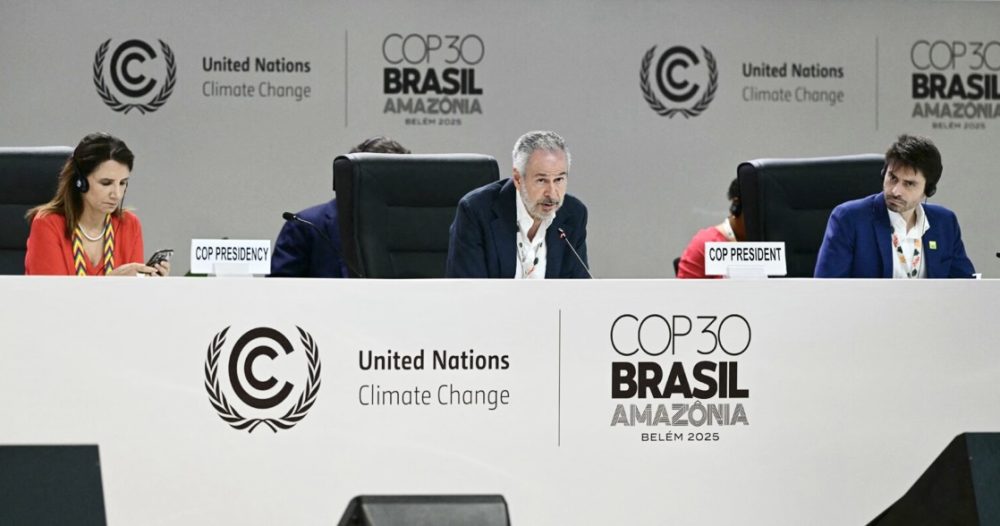
The answer, at present, is no. Current commitments remain significantly off track, and it is still unclear how they can be strengthened sufficiently to limit global warming to below 1.5 °C.
Based on existing Nationally Determined Contributions (NDCs), global temperatures are projected to rise by more than 3 °C by the end of this century.
Are we prepared to face more frequent extreme weather disruptions? Countries in this region that perceive themselves as “less affected” can no longer remain in a comfort zone.
Extreme weather episodes such as those affecting southern Thailand and Sumatra could occur in any country, at any time, under an unchecked global warming scenario.
Climate projections for Southeast Asia by the CORDEX Southeast Asia consortium (Tangang et al., 2020; Supari et al., 2020), as well as high-resolution projections from the Centre for Climate Research Singapore (CCRS V3; Yu et al., 2025), provide clear warnings of increasingly severe regional climate conditions if global greenhouse gas emissions are not reduced.
Countries in the region must therefore commit to transitioning towards low-carbon economies, strengthening the ambition and implementation of their respective NDCs, and reinforcing adaptation efforts to enhance climate resilience.
However, mitigation and adaptation require substantial financial resources, while most developing countries in the region have limited financial capacity.
According to COP29 discussions, developing countries worldwide will require around USD1.3 trillion per year by 2035 to address climate change.
Previously, developed countries pledged only USD100 billion per year. At COP30 in Belém, this commitment increased to approximately USD300 billion per year, yet this amount remains far below the actual needs, which are measured in trillions of dollars.
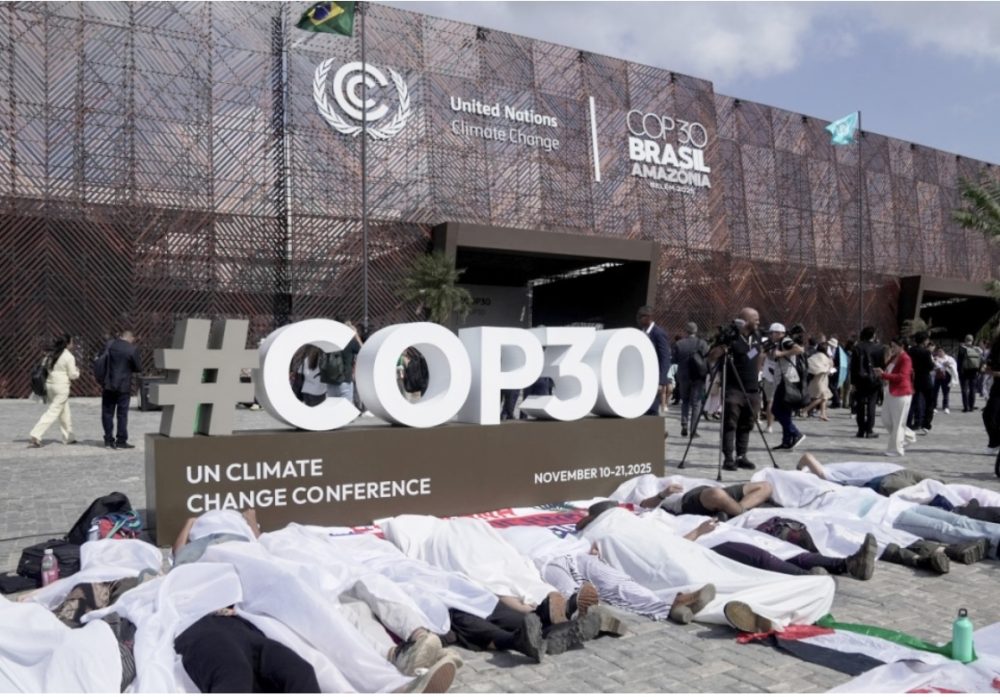
In conclusion, COP30 in Belém failed in two critical respects:first, it failed to reach agreement on reducing greenhouse gas emissions in line with IPCC scientific evidence; and second, it failed to secure sufficient financing to support developing countries in addressing climate change.
- Professor Emeritus Dr Fredolin Tangang is an Emeritus Professor of climatology and climate change at Universiti Kebangsaan Malaysia, a Fellow of the Academy of Sciences Malaysia, and is currently based at Universiti Brunei Darussalam. He is a former Vice-Chair of Working Group I of the Intergovernmental Panel on Climate Change (IPCC) under the United Nations.